Construction sites are among the most demanding and high-risk work environments. With heavy machinery, elevated platforms, sharp tools, electrical systems, and constant activity, safety must always come first. Personal Protective Equipment (PPE) plays a critical role in minimizing injuries, ensuring compliance, and creating a safe, productive work environment.
Choosing the right PPE isn’t just a regulatory requirement—it’s an essential step toward protecting workers, reducing downtime, and maintaining project efficiency. This guide highlights the importance of PPE, key categories, and how to select the right equipment for UAE construction sites.
Why PPE Matters on Construction Sites
Construction hazards can occur suddenly—from falling objects to electrical shocks and chemical exposure. PPE helps mitigate these risks by providing:
- Physical protection against impact, cuts, and abrasions
- Reduced risk of accidents involving machinery and tools
- Protection from dust, chemicals, and harmful particles
- Improved worker confidence knowing they’re protected
- Compliance with UAE safety regulations and standards
Well-selected PPE not only saves lives—it maintains productivity and prevents costly delays.
Types of Essential PPE for Construction Sites
Below are the main PPE categories required to ensure all-round protection for workers:
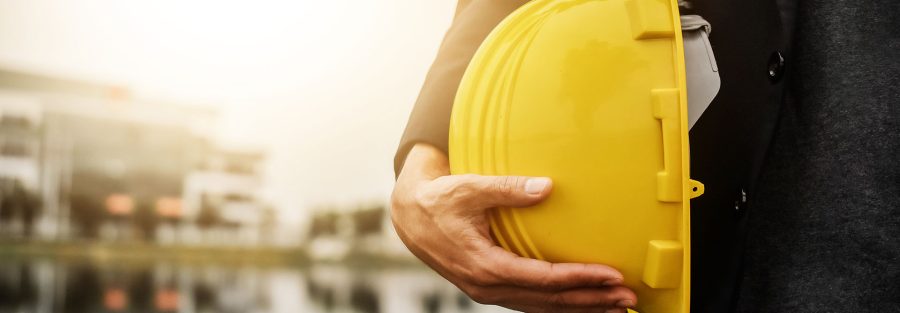
1. Head Protection (Helmets & Hard Hats)
Hard hats protect workers from falling objects, debris, and accidental impacts.
Look for:
- Shock absorption
- UV-resistant materials (important for UAE climate)
- Chin straps for working at heights
- Compatibility with visors or earmuffs
2. Eye & Face Protection
Flying particles, dust, welding sparks, and chemicals pose serious risks, making protective eyewear essential.
Recommended options:
- Safety goggles
- Face shields
- Anti-fog, scratch-resistant coatings
- UV-protected lenses for outdoor work
3. Hearing Protection
Construction sites often exceed safe noise limits, leading to hearing loss over time.
Choose:
- Earplugs for comfort
- Earmuffs for high-noise machinery
- Noise Reduction Rating (NRR)-certified products
4. Respiratory Protection
Dust, fumes, and airborne particles are common hazards, especially in cutting, drilling, and insulation work.
Options include:
- Disposable masks (N95 or equivalent)
- Half-mask or full-face respirators
- Respirator cartridges for gases and vapors
5. Hand Protection (Safety Gloves)
Hands are the most frequently injured part of the body on construction sites.
Types of gloves:
- Cut-resistant gloves
- Heat-resistant gloves
- Chemical-resistant gloves
- Grip-enhanced work gloves
- Selecting the right glove depends on the task.
6. Foot Protection (Safety Shoes/Boots)
Safety footwear provides essential protection from crushing, punctures, and electrical hazards.
Key features:
- Steel or composite toe caps
- Slip-resistant soles
- Anti-puncture midsoles
- Electrical hazard protection
7. High-Visibility Clothing
Workers must remain visible around heavy machinery and busy worksites.
Common PPE includes:
- High-visibility vests
- Reflective jackets
- Bright-colored coveralls
Essential for night work, roadside projects, and low-light environments.
8. Fall Protection Equipment
Falls from height are among the leading causes of workplace injuries.
Fall protection gear includes:
- Safety harnesses
- Lanyards
- Anchor points
- Shock absorbers
Use for scaffolding, elevated platforms, ladders, and roofing jobs.
9. Body Protection
Coveralls and specialized clothing protect workers from heat, chemicals, sparks, and abrasions.
Types:
- Flame-resistant (FR) clothing
- Chemical-resistant suits
- Heavy-duty overalls for mechanical work
In UAE climates, breathable and heat-resistant options are essential.
How to Choose the Right PPE for Your Construction Site
Selecting PPE requires careful evaluation of work environment, tasks, and potential hazards.
1. Conduct a Job Hazard Assessment
Identify risks such as falling objects, loud machinery, or hazardous materials.
2. Check UAE and International Standards
Look for certifications like:
- EN standards
- ANSI / OSHA
- ISO compliance
3. Ensure Comfort and Fit
Poorly fitting PPE is often removed or worn incorrectly, reducing protection.
4. Choose Durable, Climate-Appropriate Gear
In the UAE, prioritize:
- Heat-resistant materials
- UV protection
- Breathable designs
5. Provide Proper Training
Workers must understand how to wear, inspect, and maintain PPE.